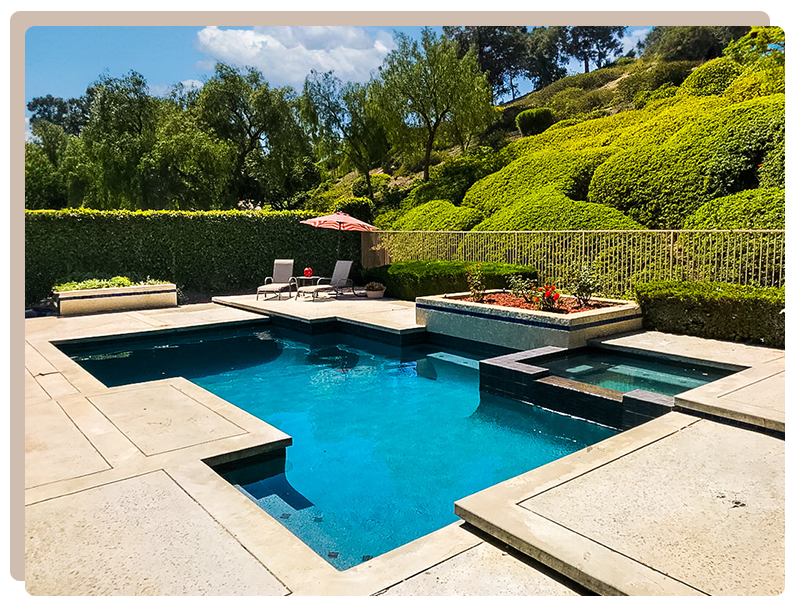
Having a beautiful inground pool in your backyard is a dream for many homeowners. Not only does it provide a refreshing escape from the summer heat, but it also adds value to your property. However, before diving into this exciting project, it’s essential to have a clear understanding of the inground pool cost. In this comprehensive guide, we’ll take a closer look at the various factors that influence the cost of inground pools, break down the expenses involved in installation, explore the ongoing maintenance costs, and provide cost-saving tips for pool owners. Additionally, we’ll discuss financing options and the return on investment for inground pools.
Understanding The Basics Of Inground Pool Cost
The cost of installing an inground pool is influenced by several factors, including the size and shape of the pool, the type of pool you choose, the complexity of the installation process, and your geographic location.
Larger pools and those with intricate shapes tend to be more expensive due to the need for more materials and labor. However, with careful planning and budgeting, you can still create a stunning pool that fits your needs and budget.
Types Of Inground Pools And Their Costs
Vinyl Pools: Typically the most affordable option, with costs ranging from $25,000 to $50,000. They offer versatility in shape and size and have a smooth surface that is gentle on the skin.
Fiberglass Pools: Known for durability and low maintenance, these pools cost between $30,000 and $60,000. They are pre-manufactured and installed on-site, offering years of worry-free swimming.
Concrete Pools: For those wanting endless design possibilities, concrete pools are custom-built to fit exact specifications. They are the most expensive option, costing between $50,000 and $100,000 or more, due to the labor-intensive construction process.
Additional Cost Factors
Site Conditions: Properties requiring extensive excavation or having challenging soil conditions may increase installation costs.
Extra Features: Adding waterfalls, lighting, heating systems, or pool covers can significantly add to the overall cost.
Breaking Down The Cost Of Inground Pool Installation
Labor Costs
Labor costs are a significant expense in installing an inground pool, ranging from $5,000 to $15,000 or more. The complexity of the installation, pool size, and local labor market influence this cost. Professional installers ensure that every step of the process is executed with precision and skill.
Material Costs
The materials used in pool construction vary with the type of pool chosen. Vinyl pools require a vinyl liner, while concrete pools need special concrete mixtures. Material costs can range from $20,000 to $50,000 or more, depending on the pool type and size. Investing in high-quality materials ensures your pool looks stunning and stands the test of time.
Ongoing Costs Of Maintaining An Inground Pool
Regular Maintenance And Cleaning Costs
Regular maintenance is necessary to keep your pool sparkling and safe. For basic, weekly swimming pool maintenance, which includes water testing, chemicals, and cleaning starts around $1800 a year. Sometimes, when extra chemicals are needed, that can come at an additional cost.
Investing in a pool cover can help reduce maintenance costs by keeping debris out and minimizing evaporation, ultimately saving you money in the long run.
Repair And Replacement Costs
Over time, certain pool components may require repair or replacement, such as the pool pump, filter system, or liner. It’s important to set aside funds for these unexpected expenses, which can range from a few hundred dollars to several thousand dollars over time. Regular inspections by a professional technician can identify potential issues early, preventing costly repairs.
Cost-Saving Tips For Inground Pool Owners
Energy-Efficient Pool Equipment
Investing in energy-efficient equipment, such as variable-speed pumps and LED pool lights, can reduce ongoing energy costs. While the upfront cost may be higher, the long-term savings make it worthwhile. Variable-speed pumps adjust their speed based on the pool’s needs, saving energy compared to traditional single-speed pumps. LED pool lights consume less energy and have a longer lifespan than traditional incandescent lights, reducing replacement costs.
DIY Maintenance Strategies
Learning basic pool maintenance tasks can save you money on service calls. Simple tasks such as skimming debris, vacuuming the pool, and cleaning filters can be easily done by the pool owner. Regularly checking and maintaining the pool’s chemical balance is another DIY task that can prevent costly issues down the line.
Financing Your Inground Pool
Pool Loans And Financing Options
If you don’t have the cash upfront, there are various financing options available for inground pool installation, including pool loans, home equity loans, or personal loans. It’s essential to compare interest rates and terms to choose the best option for your financial situation.
Some financial institutions offer loans tailored to home improvement projects, such as building a pool. These loans may have competitive interest rates and flexible repayment terms, making them a convenient choice for funding your pool construction.
Understanding The Return On Investment For Inground Pools
While an inground pool can enhance your lifestyle and provide enjoyment, it’s also important to consider the potential return on investment (ROI). An inground pool can increase the value of your home, but the exact ROI may vary depending on factors such as location, pool condition, and buyer preferences.
Factors such as landscaping, outdoor living spaces, and the overall aesthetic appeal of your pool area can influence the perceived value of your property. Investing in high-quality materials, energy-efficient equipment, and professional landscaping can further enhance the ROI of your inground pool project.
F. A. Q. s
The cost of installing an inground pool varies widely based on factors such as size, type, and location. On average, expect to pay between $45,000 and $100,000+.
Several factors affect the cost, including pool size, shape, type, site conditions, and additional features like lighting, heating systems, and waterfalls.
Regular maintenance, including water testing, chemicals, and cleaning, costs around $1,800 per year for a basic pool. Repair and replacement costs for components like pumps and filters can add a few hundred to several thousand dollars over time.
An inground pool can enhance your home’s value, but the exact return on investment varies. Factors like location, pool condition, and buyer preferences play a role in determining the potential increase in property value.
Conclusion
Understanding the cost of installing and maintaining an inground pool is crucial before embarking on such a project. By considering the factors that influence the cost, breaking down the expenses involved in installation, being aware of ongoing maintenance costs, implementing cost-saving tips, and exploring financing options, you’ll be well-prepared to make informed decisions about your dream inground pool.