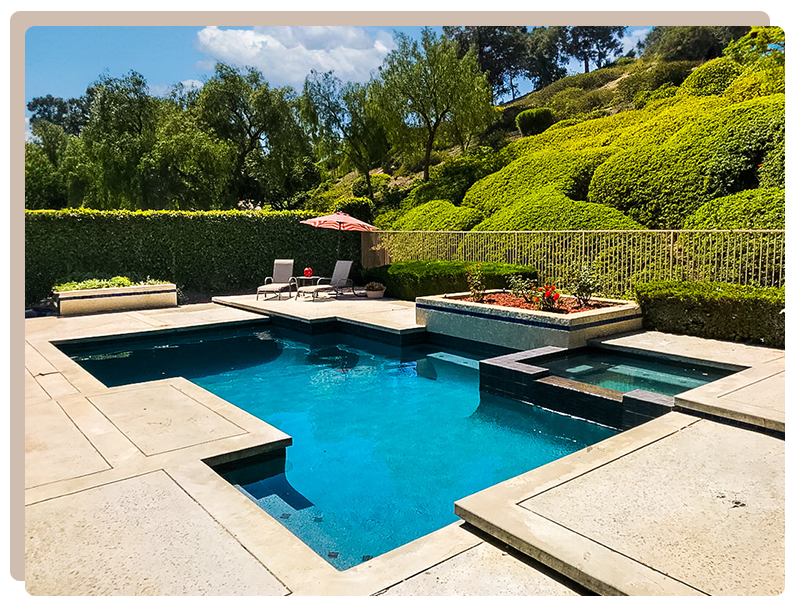
Owning a swimming pool is a fantastic way to enjoy the summer months, especially in warm climates like Southern California. As the season approaches, it’s crucial to know how to get your pool ready for summer entertaining by ensuring it’s clean, safe, and efficient. This comprehensive guide to summer pool care will help you prepare your pool for a fun and trouble-free summer.
Clean The Pool Area
Inspect And Clean The Pool Deck
The first step in year-round pool care is cleaning the surrounding area. Regularly sweep the pool deck to remove any debris and dirt that may have accumulated. Power washing the deck periodically can also help eliminate stains and mildew, keeping the area looking pristine. Even though pools in Southern California are used year-round, it’s particularly important to clean and sweep thoroughly as summer approaches to ensure the pool area is ready for summer entertaining. This preparation helps create a welcoming and safe environment for guests during the peak swimming season.
Check For Structural Damage
Inspect the pool deck, coping, and tiles for any signs of damage or wear. Cracks, loose tiles, and other structural issues should be addressed promptly to prevent further deterioration.
Inspect All Pool Equipment
Pump And Filter Inspection
The pool pump and filter are crucial for maintaining water clarity and cleanliness. Check for any signs of wear or damage and ensure all parts are functioning correctly. Clean the filter or replace it if necessary to ensure optimal performance.
Examine The Pool Heater
If your pool is equipped with a heater, inspect it for any issues. Test the heater to ensure it’s working correctly, and clean or replace any components as needed.
Balance the Water Chemistry
Test The Water
Proper water chemistry is essential for summer pool care. Test the pool water for pH, chlorine, alkalinity, and calcium hardness using a reliable test kit.
Adjust Chemical Levels
Based on the test results, adjust the chemical levels to bring the water into balance. Aim for the following ranges:
- pH: 7.4 to 7.6
- Chlorine: 1 to 3 ppm
- Alkalinity: 80 to 120 ppm
- Calcium hardness: 200 to 400 ppm
Perform A Thorough Pool Cleaning
Skim And Vacuum the Pool
Remove any leaves, debris, and insects from the pool using a skimmer net. Vacuum the pool thoroughly to eliminate dirt and algae from the pool floor and walls.
Brush The Pool Walls And Floor
Brush the pool walls, floor, and steps to remove algae and prevent buildup. Pay special attention to corners and other hard-to-reach areas.
Shock The Pool
Why And How To Shock
Shocking the pool involves adding a large dose of chlorine to eliminate bacteria, algae, and other contaminants. This process is essential after the pool has been unused for an extended period. Follow the manufacturer’s instructions for the correct amount of shock treatment to use based on your pool size.
Inspect And Replace Pool Accessories
Check Pool Covers
Inspect the pool cover for any damage, such as tears or holes, and repair or replace it as needed. A clean and intact cover helps keep your pool clean when not in use.
Examine Pool Toys And Equipment
Check all pool toys, floats, and equipment for damage or wear. Clean them thoroughly and replace any items that are no longer safe or functional.
Optimize Pool Safety
Optimize Pool Safety
Inspect Safety Equipment
Ensure all safety equipment, such as life rings, rescue hooks, and pool alarms, is in good condition and readily accessible. Check that gates and fences around the pool are secure and comply with local safety regulations.
Review Pool Rules
If you have children or guests using the pool, review and reinforce pool safety rules. Emphasize the importance of no running, no diving in shallow areas, and constant supervision.
Maintain Pool Landscaping
Trim Overhanging Trees And Bushes
Trim any trees or bushes around the pool area to prevent leaves and debris from falling into the water. This also helps reduce the amount of shade over the pool, keeping the water warmer.
Remove Potential Hazards
Ensure the pool area is free from any hazards, such as sharp objects, electrical equipment, or slippery surfaces. This helps prevent accidents and keeps the area safe for everyone.
Schedule Regular Maintenance
Set Up A Maintenance Schedule
Create a regular maintenance schedule to keep your pool in top condition throughout the summer. This should include weekly tasks such as skimming, vacuuming, chemical testing, and emptying baskets, as well as quarterly or semi-annual tasks like filter cleaning and equipment inspection.
Hire A Professional Service
Consider hiring a professional pool service for regular maintenance and more complex tasks. A professional can provide expert care and identify potential issues before they become major problems.
Enjoy Your Pool
Plan Pool Activities
Now that your pool is clean, safe, and ready for summer, plan some fun activities to enjoy with family and friends. Pool games, barbecues, and evening swims can make the most of your backyard oasis.
Regularly Monitor Pool Conditions
Even after your pool is prepped, continue to monitor water quality and equipment performance regularly. This ensures any issues are caught early and keeps your pool running smoothly all summer long.
F. A. Q. s
It’s recommended to test your pool water at least once a week during the summer. This helps ensure that the water chemistry remains balanced and safe for swimming.
Brushing the tiles weekly will help keep them clean, but calcium and minerals will eventually build up. There are companies that specialize in tile cleaning. Short of having it professionally cleaned, typically a pumice stone is used, but be careful not to scratch the tile.
Signs that your pool filter needs replacing include cloudy water, decreased water flow, cracked or leaking filter tanks, and debris returning to the pool. Check the manufacturer’s guidelines for the lifespan of your filter and inspect it regularly for wear and tear.
It’s not recommended to use household bleach to shock your pool, as it can contain additives that are not safe for pool use. Instead, use a pool-specific shock treatment that is designed to eliminate bacteria and contaminants effectively.
To prevent algae growth, maintain proper chlorine levels, ensure good water circulation, and brush the pool walls and floor regularly. Using an algaecide as part of your regular maintenance routine can also help.
If your pool water turns green, it’s likely due to algae. Algae may appear in the water, on the walls, or cause poor water clarity, usually indicating insufficient chlorination and/or inadequate circulation. Shock the pool with a chlorine treatment, brush the pool surfaces, and run the filter continuously until the water clears. It may require multiple shock treatments and filter cleanings to return the pool to sparkling water. After treatment, be sure to test and balance the water chemistry.
Conclusion
Summer pool care involves a combination of thorough cleaning, equipment inspection, and regular maintenance. By following these steps, you can ensure your pool remains a clean, safe, and inviting place for relaxation and fun throughout the warmer months. Remember, consistent care and attention to detail are key to enjoying a worry-free pool season.